
BOOTHAM STRAY
Bootham Stray, Rawcliffe and Clifton Without, YO30 6JF
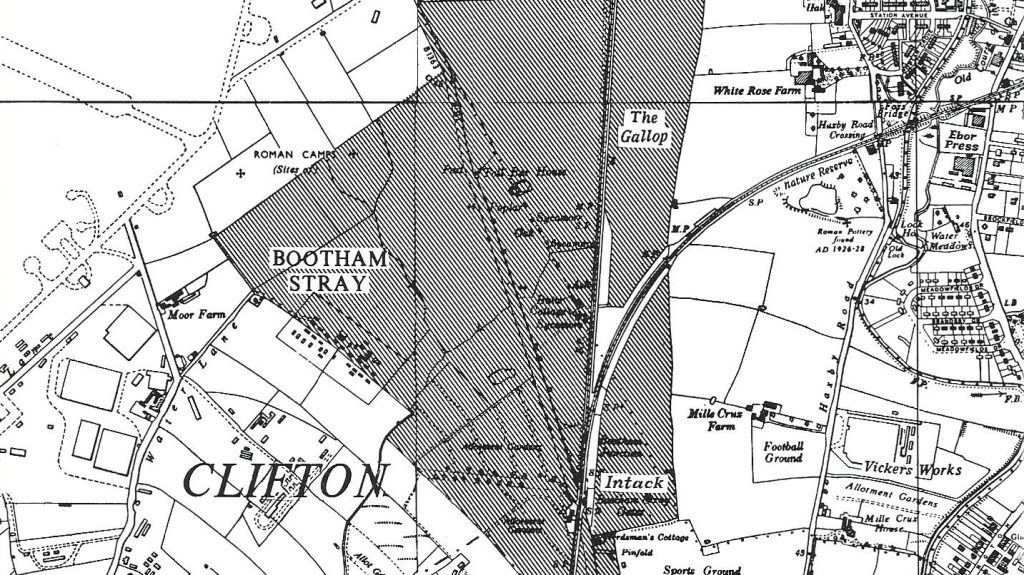
Bootham Stray is an important part of the historic landscape of York and a link to the surrounding farmland. There is a great sense of space but the busy Wigginton Road, cutting through the stray, makes this a piece of countryside in the city.
There is more than 100 acres of grassland, with large parts grazed by cattle.
BOOTHAM STRAY
ACCESS
Open access. There are informal paths, which are wet and muddy in winter.
PASTURE MASTER
Mrs Jacqueline Brown.
We have two vacancies for
Freemen resident near this stray to volunteer to be Pasture Masters. Email us for more information.
HABITAT
Mixed woodland, wildflower meadow, allotments
Managed BY
City of York Council in consultation with Freemen of the York Stray Council

TRAVEL AND PARKING
BUS
If coming from the City Centre you can get the number 6 bus (purple line) from Station Avenue to Burton Green.
For up-to-date information about local bus routes see the iTravel York website.
PARKING
There are no council car parks close to this location.
Please use available on-street parking in the surrounding streets, showing consideration for local residents.
However, please note that a number of surrounding streets fall with Residents’ Priority Parking Scheme zones.
EXPLORE BOOTHAM STRAY
There’s lots to explore on Bootham Stray. Explore this interactive map to see what’s available, just click one of the red markers to learn more about what’s there.
points of interest
ROMANS IN BOOTHAM
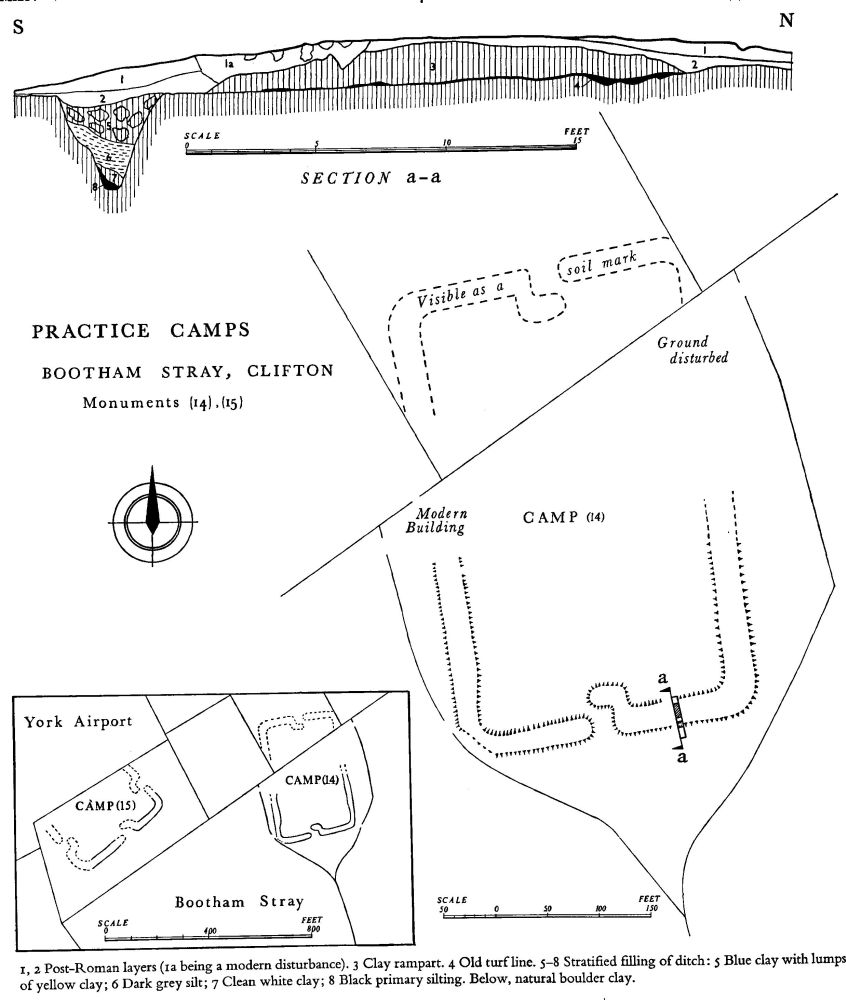
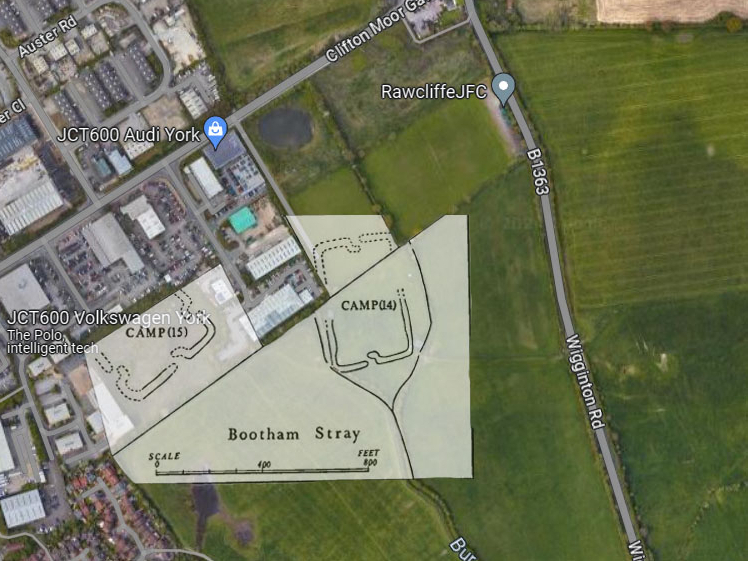
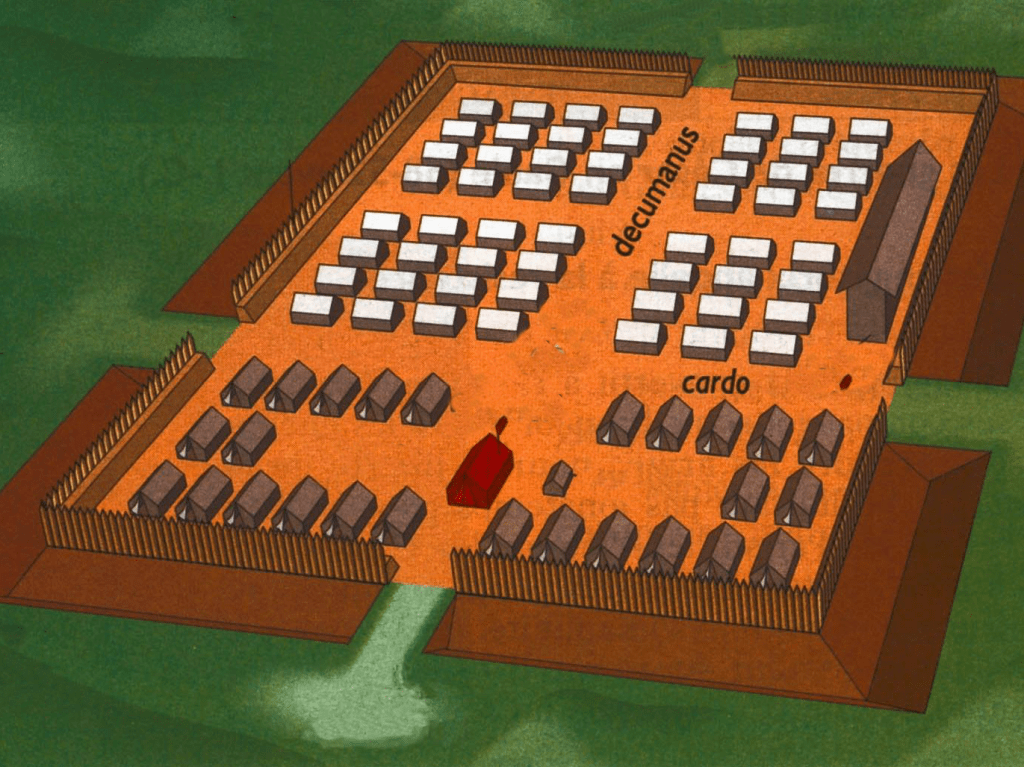
One of two Roman Practice Camps, believed to be used for training, can be partially traced as earthworks on Bootham Stray. These camps were first recorded by the 18th century antiquarians William Stukeley and F. Drake.
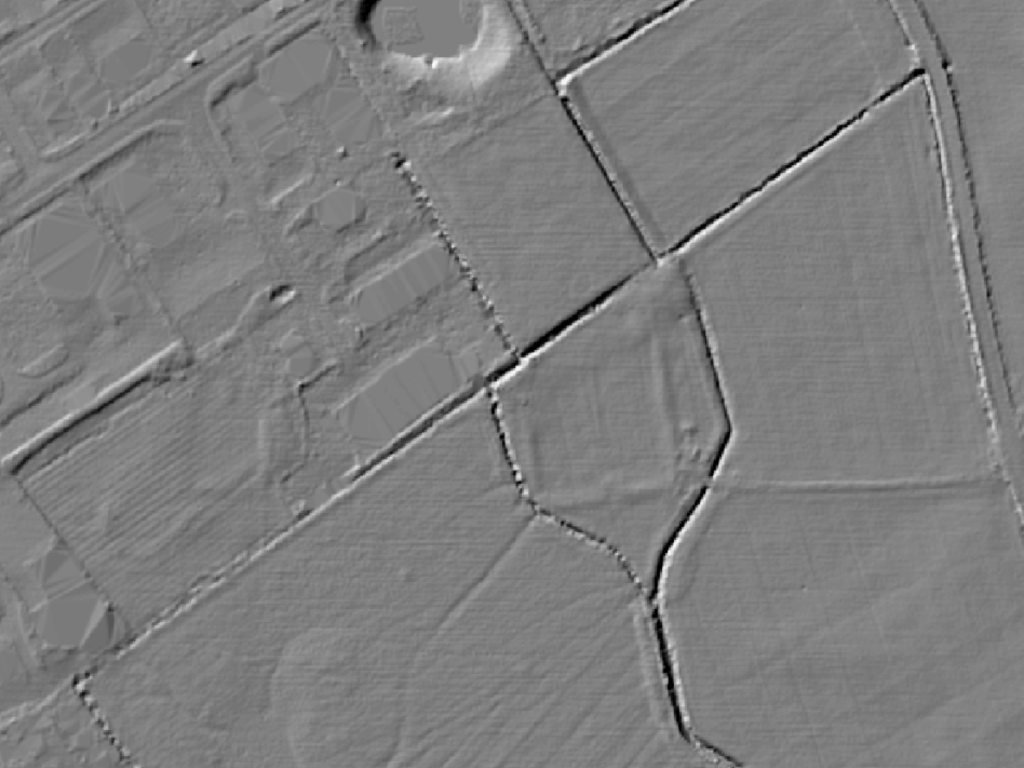
There is now little surface evidence for the camps having over the centuries been cut by field boundaries of hedgerow, draining ditches, ploughing, and ancillary works in the Second World War.
The defences on the Stray survive at best as a board bank, 6 metres to 7 metres wide and about 0.3 metres high, though this varies across the site.
An excavation took place in 1952 which confirmed the structure and building methods, proving that the camp retains archaeological information adding to the known understanding of these types of Roman construction.
HISTORY OF BOOTHAM STRAY
Ancient Strays
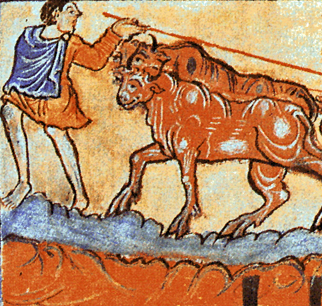
The area, once restricted for use by Freemen living within the Bootham ward, lay to the north west of the city, in the wedge of land between the rivers.
Medieval Freemen negotiated with several private landowners for ‘half-year rights of average’, that is they could graze cattle on this pastured land for 6 months. Much of the land was part of the manor of Clifton and in the 15th century the lord of the manor was the Abbott of St. Mary’s Abbey. The Freemen and the Abbott, in 1484, agreed to extend the lands between Clifton and the river Foss. This included access ways to the river Ouse and to the Forest of Galtres, York’s Royal Forest that once stretched from the northside of the Bar Walls for 100,000 acres. Full-year rights were established on the common lands and moors in the district, these being: Clifton, Huntington, Rawcliffe and Wigginton.
INCLOSURE ACTS
In 1632, by an Inclosure Act, lands in Wigginton had their agricultural rights removed and, to compensate for the loss of pasture land, the Freemen were granted a 60 acre area called the Intack. The Intack would become the starting point for the building of the modern stray boundaries.
The final Bootham Inclouse Act, in 1764, removed the rights from the remaining ancient stray and put into a trust; the previously awarded Intack combined with an additional compensation of an adjacent 91 acres of pasture land and 21 acres for access routes. To help the Freemen earn an income from the land, 8 more acres were given, the profits of which were to be used to maintain the highway running through the new boundaries.
INDUSTRIAL CHANGES
The lands would continue to be used by Freemen who owned animals, records show that in 1850 there were 67 cows and 27 horses being pastured on Bootham Stray. As industry rose less Freemen owned livestock to graze and therefore some were receiving no benefits from their rights. It was agreed that non-pasturing Freemen and Freemen widows would receive 5 shillings a year from 1850, which rose to 15 shillings in 1888.
CROWN v. YORK BOOTHAM PASTURE MASTERS
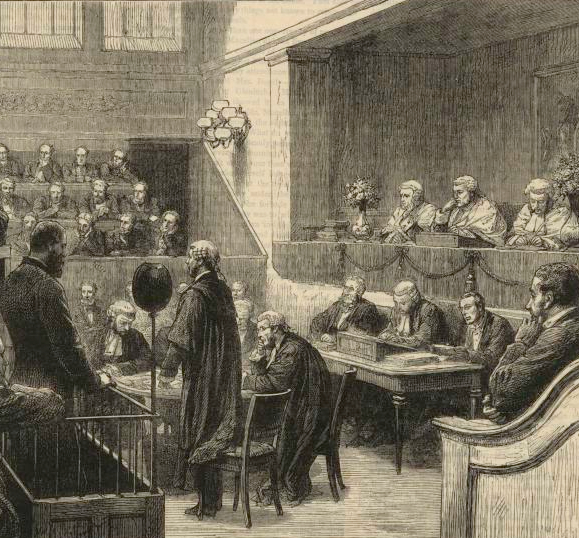
Though the strays provided income it was by no means substantial but was sufficient for it to attract the Commissioners of Inland Revenue. In 1891, the Crown Court brought action against the Bootham Ward Pasture Masters, claiming tax in respect to their lands alleged to be assessed in line with the recently passed Customs and Inland Revenue Act, 1885. The result was undecided, both sides having made substantial successes and failures.
The Crown and Pasture Masters appealed the decision, each for differing reasons, and so the case was heard in the Court of Appeal. The Crown argued that Bootham Stray did not fall under any of the exceptions to taxation and the Pasture Masters claimed it was as appropriated to a charitable purpose. The final judgement was that the ‘for charitable purposes’ could only be applied in a ‘technical sense of the word’ and therefore not exempt. This verdict would become significant 70 years later in retaliation to the Council’s objection to the Strays being registered under the Commons Registration Act, 1965, stating the lands were subject to charitable trusts.
UNDER NEW MANAGeMENT
Throughout the 20th century, the council had made actions to take over management of the Strays. It was in 1946 that the council reached agreements with the Freemen of Bootham and it was taken over by the council in the following year to be maintained as public open spaces. Annual payments of £1 were agreed to be made to each Freeman or their widow living in Bootham.
 Gild of Freemen of York