HISTORY OF THE FREEMEN OF YORK
For over 800 years Freemen have overseen the interests of the City of York.
HERITAGE OF FREEMEN
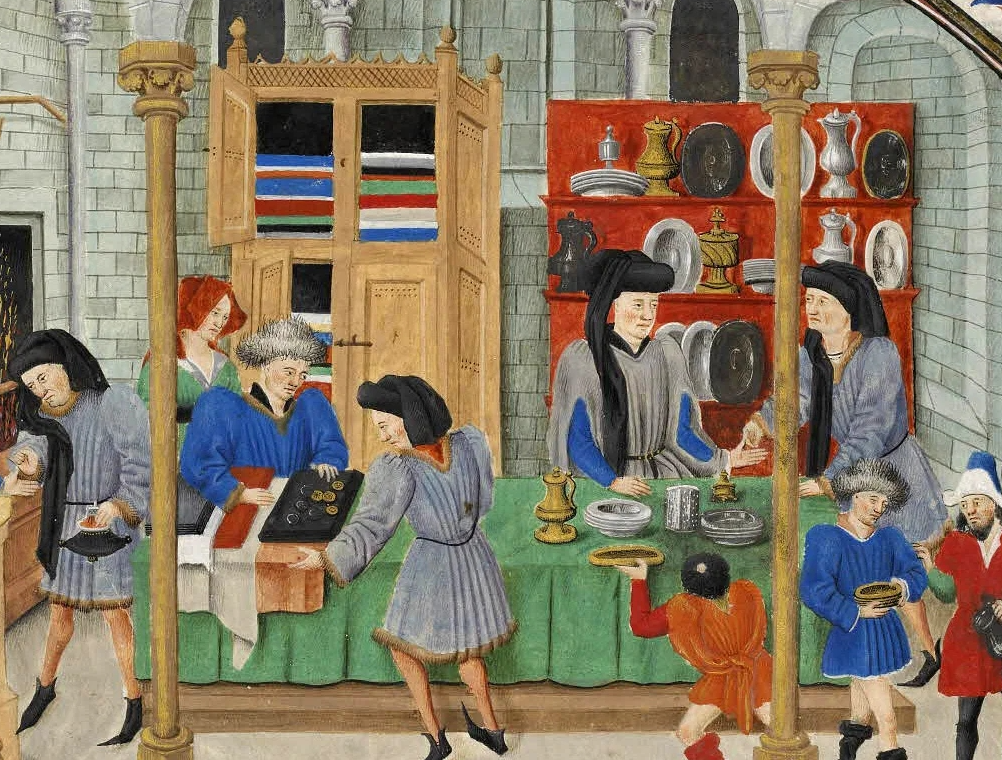
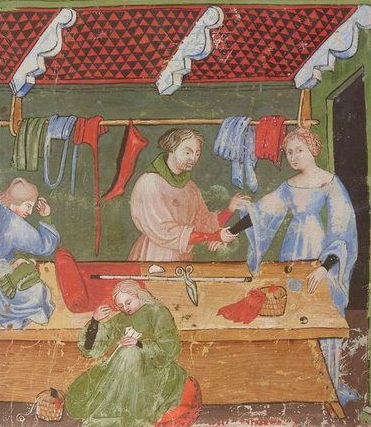
The significance of Freemen and their origins can be understood by looking back to the early stages of trade and community life, where merchants and traders formed groups and were essentially Free Men.
The growth of towns and markets was fuelled by the presence of trade centres, offering both goods and protection to the population. In medieval England, the terms “Freemen” and “Gild” held significant meaning, with the York Freemen’s Roll dating back to 1272, although their references can be found in Anglo-Saxon Charters and Laws.
Freemen of Eurewic
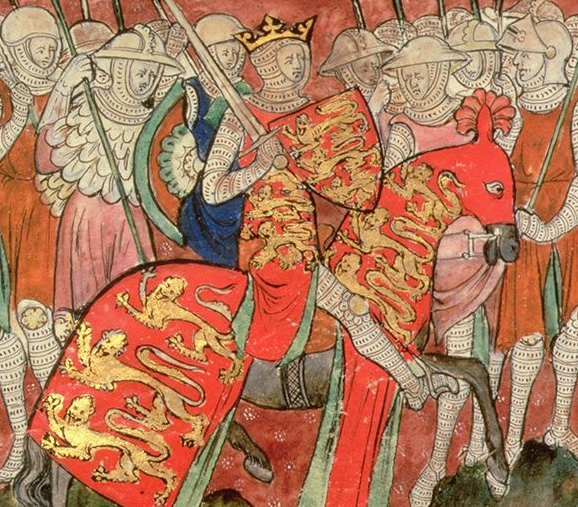
William the Norman became the King of England and found a collective government already in place at Eurewic (York), and was led by an annually elected Elderman. The citizens of York had to pay a ‘Fee-Farm rent’ of £100 per year to the new King.
During King Stephen’s reign, Mayor Nigel was instructed to allocate a place near the west wall of the city to accommodate the poor and infirm, marking the start of St. Leonards Hospital at the former St. Peters Hospital site. Additionally, Thomas of Eurewick paid a fee to the King upon becoming the Alderman of the Gild of Merchants in Eurewick.
The first Royal Charter given to York was some time between 1155 and 1162. This Charter was negotiated by the Freemen of York. At this time the Freemen were the only people allowed to trade in the City, and the only ones able to hold office, or to vote. They owned the City Strays, open spaces used as common land, and regulated rights of Pasture.
Mysteries of Corpus Christi
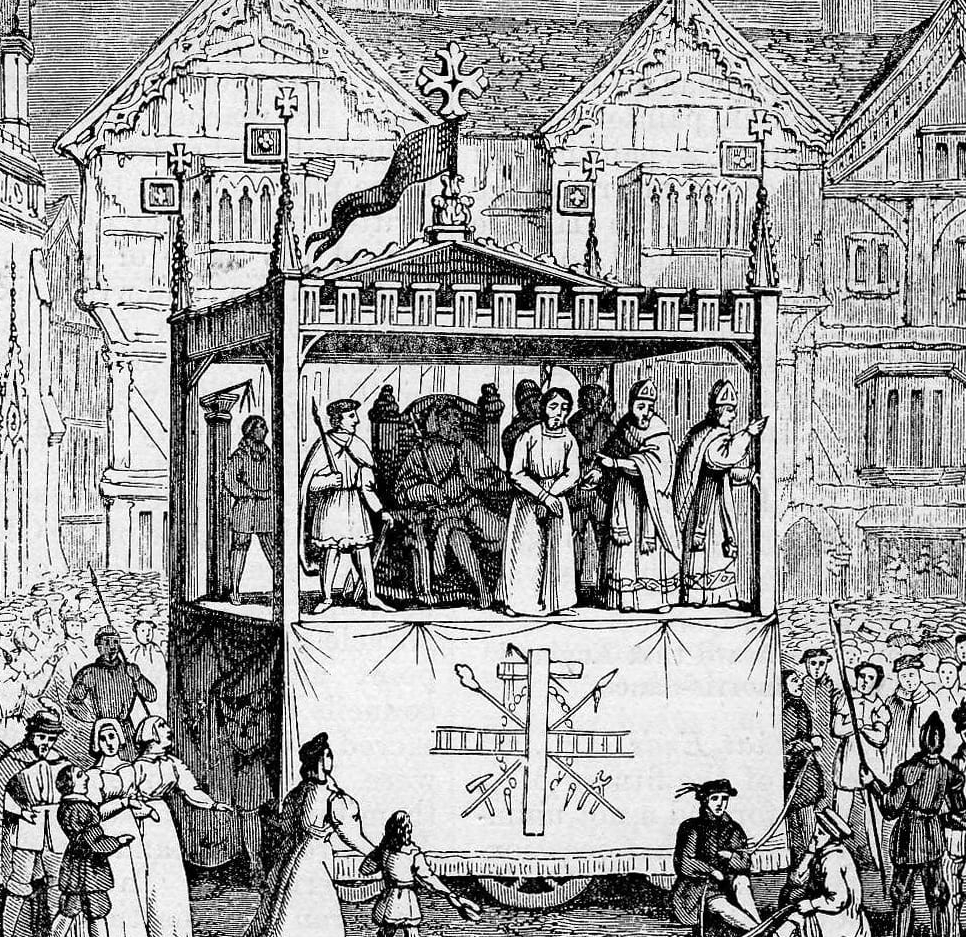
In medieval York, the guilds of the city presented the entire Christian narrative of the Creation to the Last Judgement to mark the Corpus Christi Festival in June. Each guild took one of 48 plays, mounted it on a waggon, then paraded through the city streets from one location to another.
In 1340, the first cycle of the Mystery Plays took place, beginning a theatrical tradition that would stretch across centuries. Although the plays survived the abolition of the Corpus Christi Festival, the great upheaval of the Reformation led Archbishop Edmund Grindal to confiscate all copies of the Cycle in 1571, the final medieval production having taken place in 1569.
THROUGH WARS AND RESTORATION
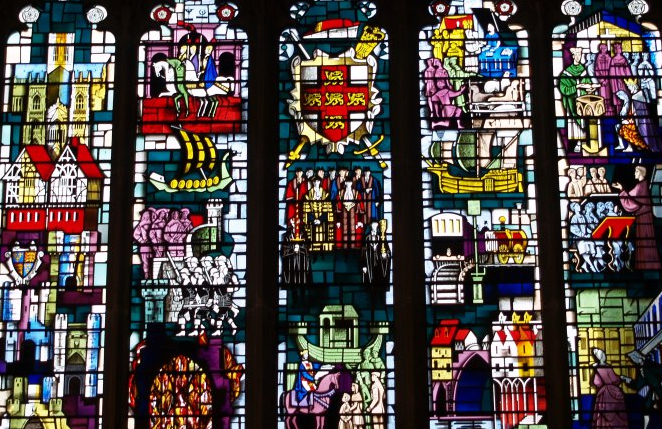
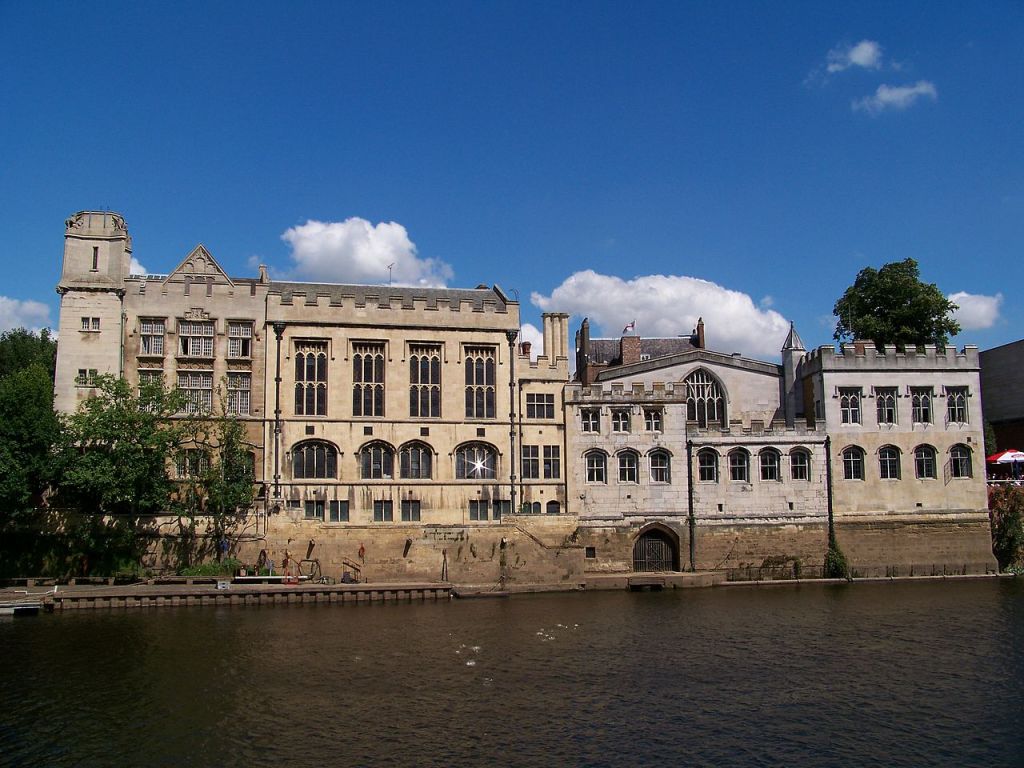
In 1682, a stained glass window painted by Henry Gyles was installed in the Guildhall. The Guildhall building was constructed as a meeting place for the city’s guilds between 1449 and 1459. Earlier that century, in 1647, it was also the place where a ransom of £200,000 was counted for the release of Charles I from the Scots during the Civil War.
King Richard III was entertained in the building in 1483, and the Guildhall was the venue for the trial of St Margaret Clitherow, a Catholic martyr, in 1586.
The interior of the original building, including the stained glass window, was destroyed during a Baedeker raid in 1942. After the war the Guildhall was rebuilt and a new stained glass window, depicting five aspects of the city’s history (architecture, war, civic affairs, commercial trade and religious education), was designed and installed by Harry Harvey of York. The Guildhall, a Grade I listed building, is still used today as the venue for the Annual Freedom Court, where new freemen are admitted every year.
FIRST BLACK FREEMAN
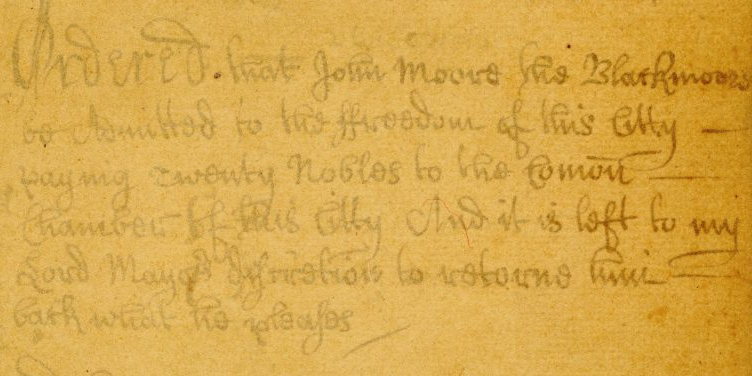
The first known black person to become a Freeman of a city was in York. He was John Moore, who was admitted in October 1687. Black history in York itself was infrequently documented, and our knowledge of John’s existence stems from the description of him in the Council minute book. John appears to have been a relatively affluent member of the York community, given his ability to pay the required sum to the mayor. No occupation is listed with John, though oral history says that he paid for certain milestones to be quarried. Research continues to find out more about this member of Freeman history.
REGENCY; WEALTH AND POLITICS
As it was only Freemen who could vote, and at this time Freedom could be purchased, it was not unexpected that the system was abused and used for political and social gain. In a 1714 election, one of the candidates purchased the Freedom of the City for 400 non-freemen on the condition they vote for him. Voting could last up to six days and Freemen of London could be transported up to York by candidates to vote at the cost of £20 per man.
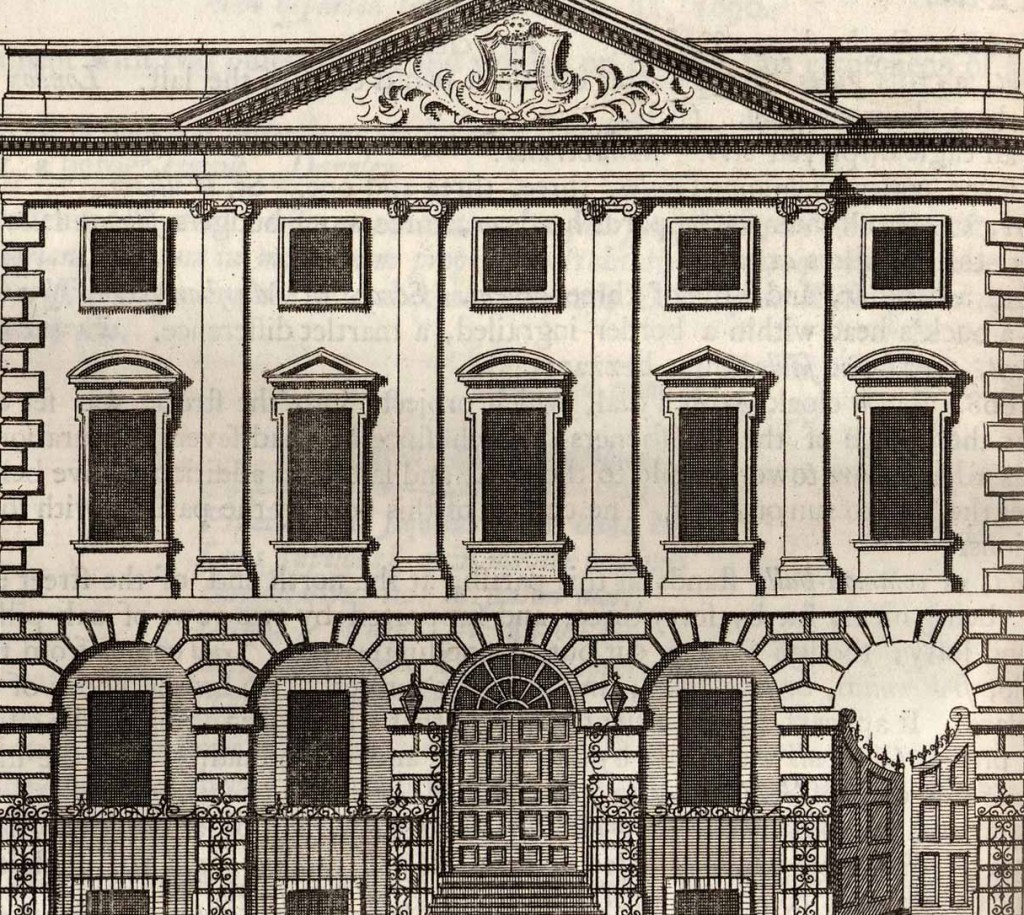
By 1739, no fewer than 196 men, all of whom were engaged in various industries were admitted to the freedom in addition to 238 more who claimed their freedom through patrimony. A dancing master was included among the latter. The increasing wealth and prosperity of the country and the requirements of those who were the possessors of wealth, brought several trades to York, and its streets began to be adorned by houses and buildings named after the Georges. Examples of the workmanship of the carpenters and the bricklayers and the plumbers of this period may be seen in most of the older streets of the city. The importance of the Georgian buildings in York is being emphasised all the time, but it is too often overlooked that the workmanship they exhibit came from the hands of Freemen whose names are only recorded in the Freemen’s Roll.
REFORM OF THE CITY
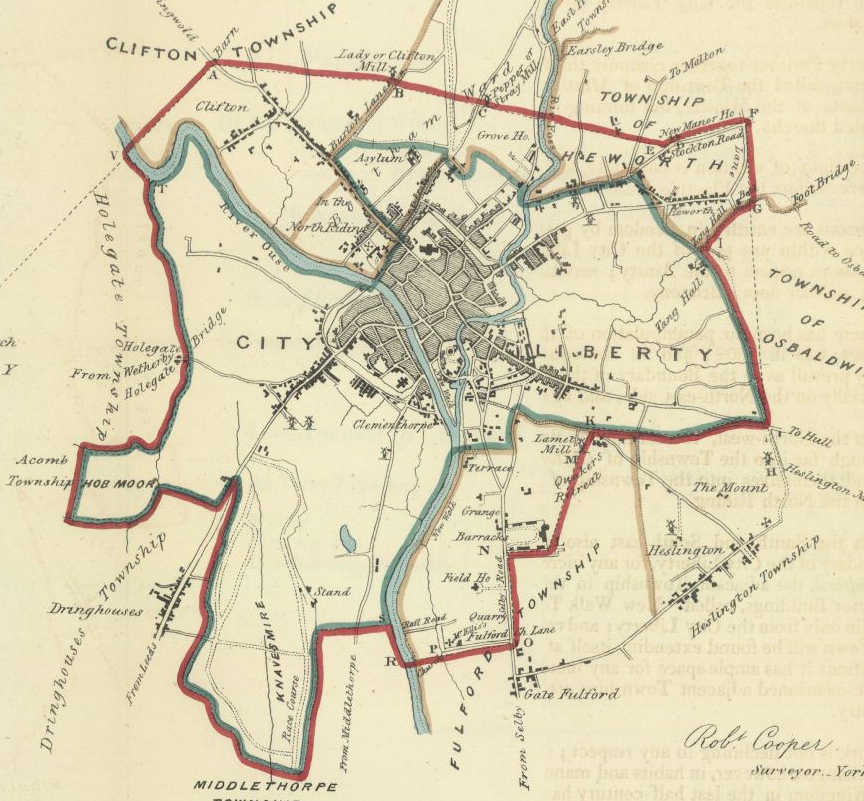
The passing of the Municipal Corporation Act 1835, passed control of the city from the Lord Mayor and Freemen into the hands of a newly established City of York Council. The Act established a national uniform system of governing by town councils elected by ratepayers.
The council also elected aldermen to serve on the council, with a six-year term. The act also changed the enrolment of new Freemen, changing the criteria to be solely due to occupancy and payment of rates, and abolishing any previous criteria in earlier charters.
A GILD FOR THE FREEMEN
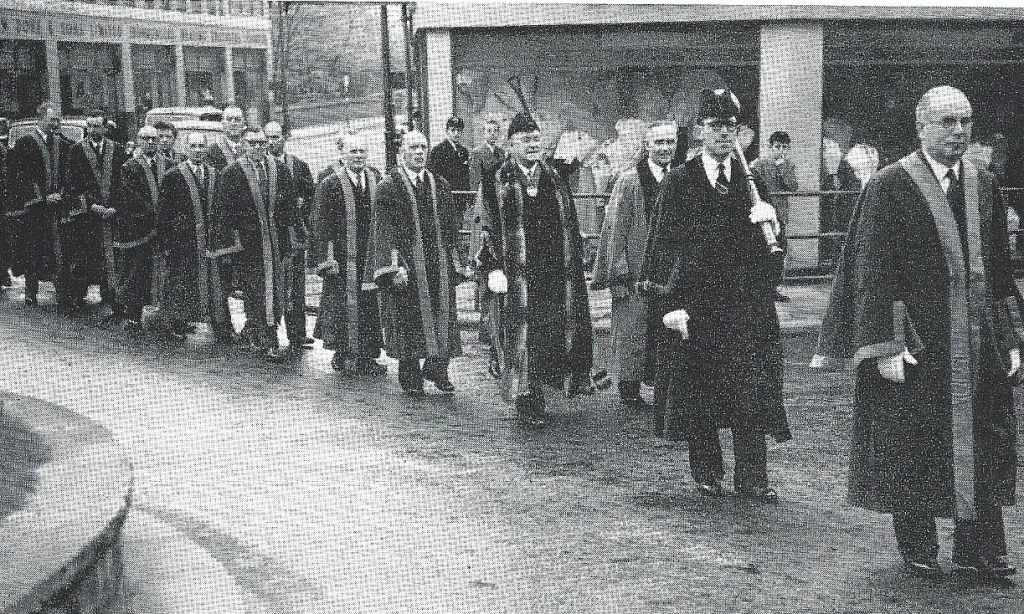
The Rector of All Saints, Pavement, the Reverend Angelo Raine held a Church Service, in 1951, for the Freemen of York and hoped that “it would become the first of many annual Services to be held at All Saints”.
The Gild of Freemen of the City of York, was established at a meeting convened at the Merchant Taylors Hall on Wednesday 9 September 1953, marking a significant milestone in the city’s history. The event saw a remarkable turnout of Freemen, indicative of the widespread support for the formation of the Gild. Notably, the unanimous decision to create the Gild reflected the shared vision and commitment of the attendees.
How to become a Freemen
Learn more if you’re eligible to become a Freemen of York.
Join the Gild
Continue to support this age old tradition and protect the heritage of York.

Events and Meetings
Stay up to date on all events and meetings organised by the Gild.
 Gild of Freemen of York