HISTORY OF THE
GILD OF FREEMEN OF THE CITY OF YORK
PRESERVING TRADITION
The Gild has been established to enhance the City of York, and to promote the welfare of its inhabitants. It aims to encourage and support all citizens, whether they are Freemen or not, in fulfilling their public and civic duties, as well as to uphold and foster the rights and traditions of the Freemen.
Furthermore, the Gild is authorised to acquire and manage properties, as well as to secure funds for the advancement of its objectives. It is also empowered to receive and administer funds designated for charitable purposes. In essence, the Gild is dedicated to enhancing the splendour of York and perpetuating its status as a beautifully adorned city.

BEGINNING
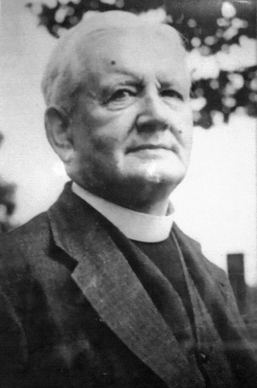
In 1951, the Rector of All Saints, Pavement, the Reverend Angelo Raine held a Church Service for the Freemen of York and expressed his gratitude for the support of the community in preserving the rich heritage and traditions of the city. With a sense of pride and reverence, he emphasised the importance of coming together in fellowship and solidarity to honour the longstanding history of the Freemen. Reverend Raine also shared his vision for the future, expressing his hope that this service would mark the beginning of an enduring tradition, symbolising a strong bond between All Saints and the Freemen. The Lord Mayor and Alderman J. H. Kaye, both esteemed Freemen, graced the occasion, underscoring the significance of the event and their unwavering commitment to the community.
INAUGURATION
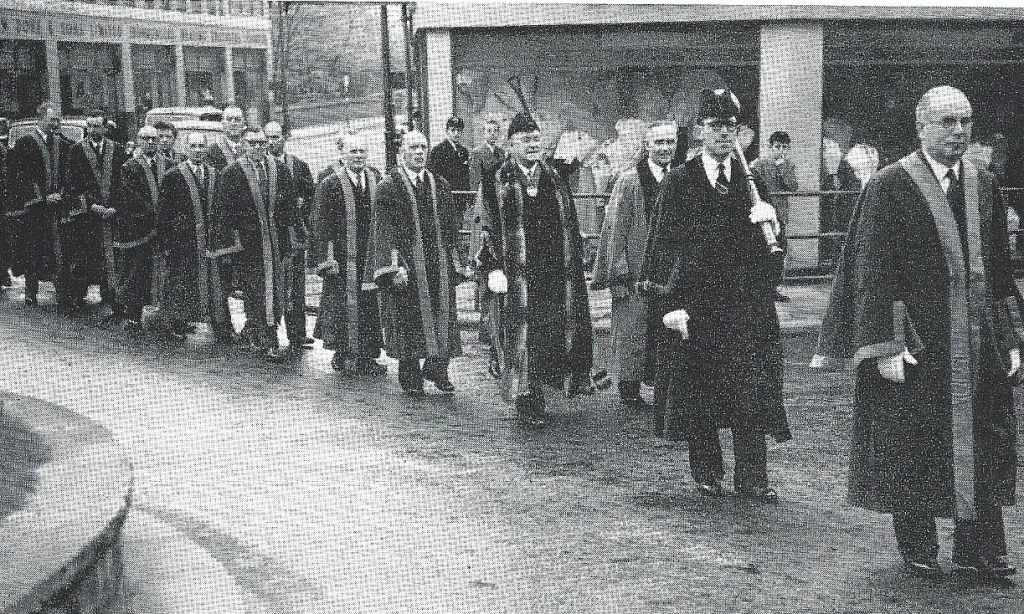
The Gild of Freemen of the City of York, was established at a meeting convened at the prestigious Merchant Taylors Hall on Wednesday 9 September 1953, marking a significant milestone in the City’s history. The event saw a remarkable turnout of Freemen, indicative of the widespread support for the formation of the Gild. Notably, the unanimous decision to create the Gild reflected the shared vision and commitment of the attendees. It is worth acknowledging Mr. James L. Burdekin for his proactive role in initiating and convening this pivotal gathering.

MISSION STATEMENT 1953
The purpose of the Gild is stated to be the enhancement of the City of York and the furtherance of the interests of its citizens; to encourage and assist the citizens, whether they be freemen or not, in realising their public and civic responsibilities and to maintain and develop the rights and privileges of the citizens and Freemen of York.
It was decided that the Lord Mayor should be the President of the Gild during their term of office, regardless of whether he was a freemen or not. The first Master of the Gild to be appointed was Alderman John Harold Kaye.
The purpose of the Gild is stated to be the enhancement of the City of York and the furtherance of the interests of its citizens; to encourage and assist the citizens, whether they be freemen or not, in realising their public and civic responsibilities and to maintain and develop the rights and privileges of the citizens and Freemen of York.
It was decided that the Lord Mayor should be the President of the Gild during their term of office, regardless of whether he was a freemen or not. The first Master of the Gild to be appointed was Alderman John Harold Kaye.
FOUNDER MEMBERS
As the first meeting was being arranged, information was circulated extensively to all Freemen, urging them to consider becoming part of the new Gild. The call to action resulted in a remarkable response, with about 220 men enthusiastically applying for admittance. This overwhelming interest not only reflected the enthusiasm for the Gild but also demonstrated the strong sense of community among the Freemen. Those who heeded the call and submitted their applications were entitled to an esteemed title – “Founder Member” .

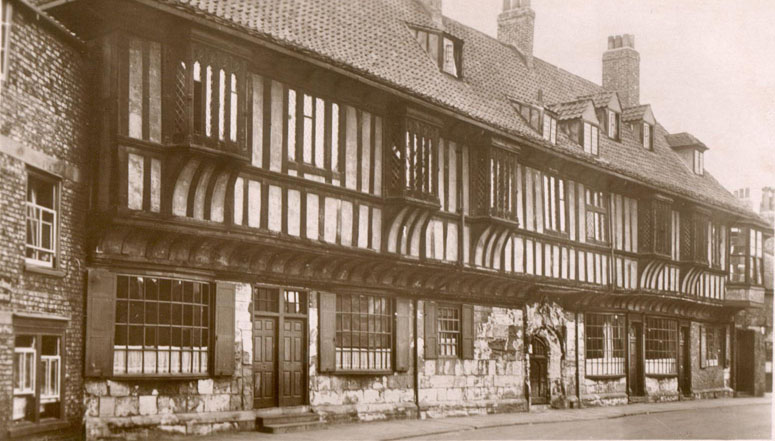
A Permanent Court Room
Thirteen years on from the inauguration, news and reputation of the Gild had led to an increase in membership and after years of searching a suitable place was found for use as a Court Room and for social functions.
That place was to be St. William’s College and no effort was spared in redecorating and furnishing. It was felt that being in such a distinguished and venerable building would be linked with a feeling of tradition and history.
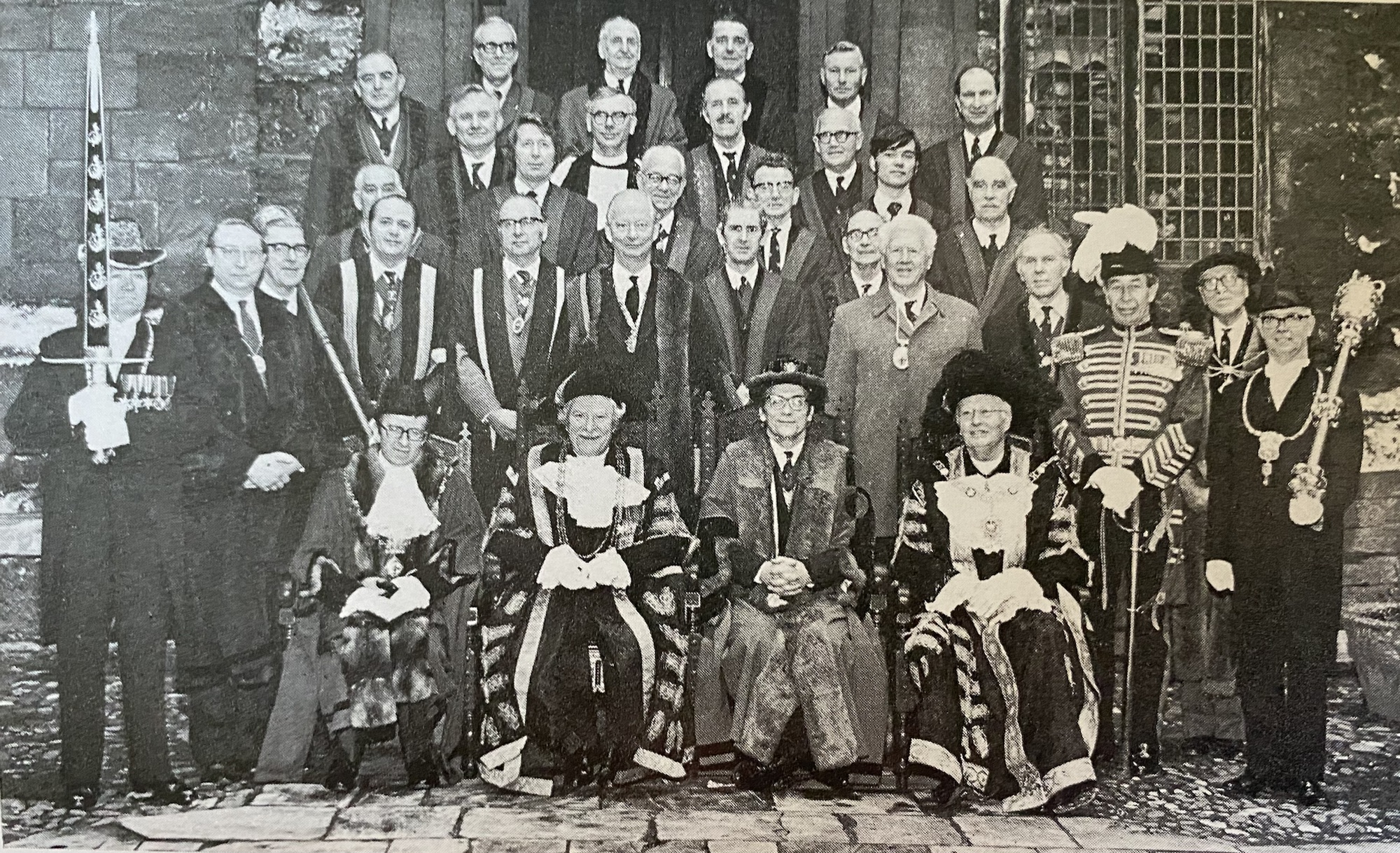
The Court Room was opened in 1966, in a ribbon-cutting ceremony by the Lord Mayor, who commended the Gild on their success. It was also announced at the ceremony that a new office had been created, Gild Warden. This officer would be resident in the Gild Room at certain times of the week for members to attend for work and discussions.
Rebel Flame
In 1971, York celebrated its 1900th anniversary. In the year leading up, Richard Afton was appointed Celebration Director and was approached by the Gild with a plan for a year-long perpetual flame from a Roman lamp.
The Freemen were understandably upset when Afton announced the celebration plans and claimed the idea as his own. The Gild commissioned a “rebel lamp” made by, with and for all the citizens of York. An enlarged version of the lamps being sold, it was lit by Deputy Master Reggie Dearlove and extinguished on December 31st, burning eleven and a half days longer than the celebration lamp. The lamp was then kept at the headquarters in St. Williams College and later Bedern Hall, lit annually at the Gild banquet as a reminder of traditional freemanship roots.
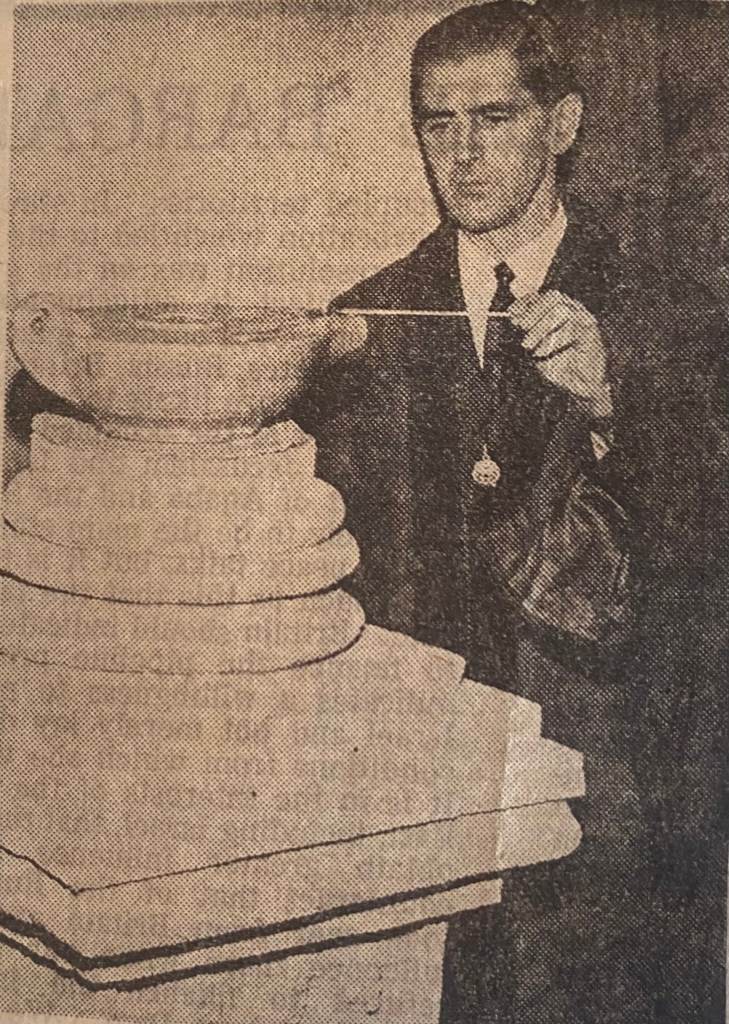
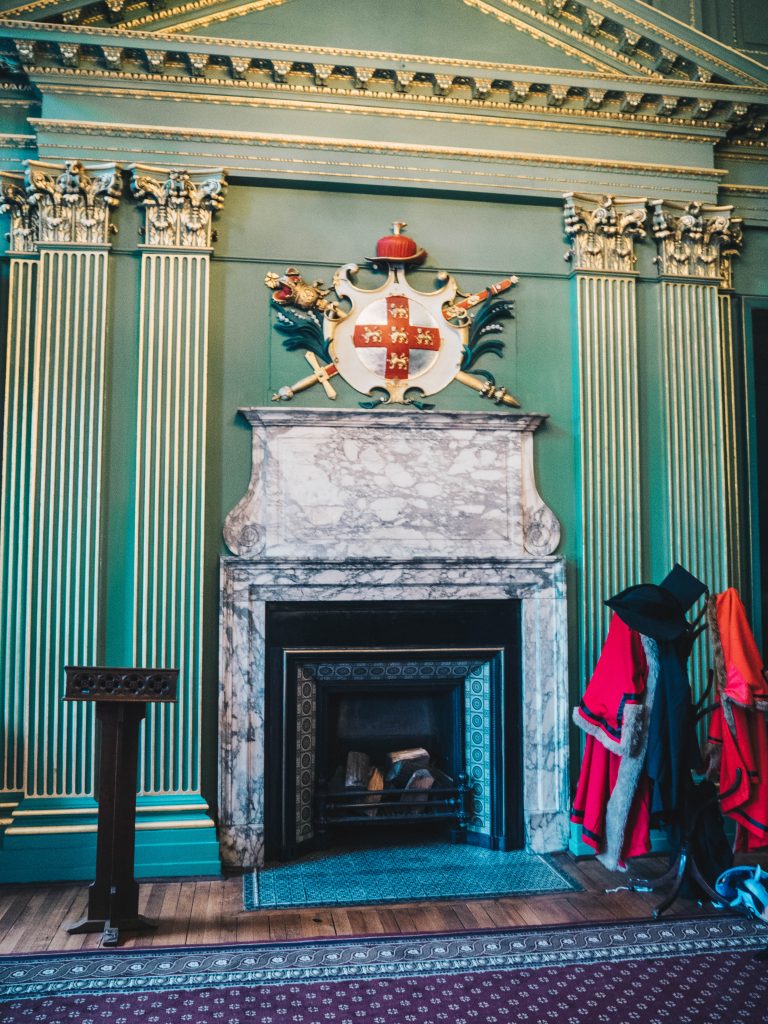
A Wooden crest
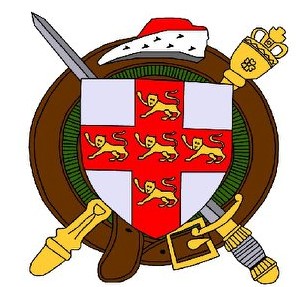
At the 1969 annual banquet, a lime wood carving of a newly designed Gild crest was unveiled. The crest, based on the Georgian coat of arms in the State Room at the Mansion House, had been adopted as the Gild insignia.
When the Gild had moved to St. William’s College, the Court thought its cardboard “mock-up” should be replaced. Harry Ward, who was Master of the Gild from 1964-66, and his wife offered to donate the crest to commemorate his years of office.
Freedom for women
After much research and legal work, in 1979 women gained their freedom through patrimony and the first freedom court was held at the Guildhall in the September of that year, when 100 women were accepted.
In 2000, not only was an apprentice admitted after 40 years, but it was a woman. Emma Dexter had been an apprentice to a Master Stonemason and Freeman, Stephen Mills, Superintendent of Works at the York Minster Stoneyard. Emma was the first female apprentice to claim freedom from apprenticeship since the late Victorian era.

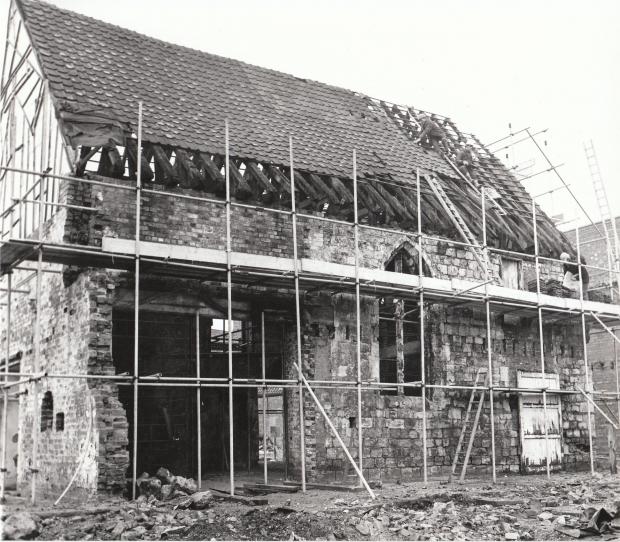
A HALL TO CALL HOME
In 1980, representatives of the Company of Butchers, the Company of Cordwainers, the Gild of Freemen, and the York Guild of Building formed a Steering Committee to investigate the possibility of using the recently restored Bedern Hall, in St. Andrewsgate, as a Gild Hall.
After assessing the Hall and surrounding area it was determined that an extension would have to be added to the Hall to provide essential services. Land next to Bedern Hall was secured and as the new extension was designed to take advantage of the site, Planning Permission was granted in October 1981.
Foundations for the Future
It would be the Freemen, Builders, and Cordwainers that made Bedern their home after being issued a 99-year lease in March 1982. In June, the Bedern Hall Company was formed to represent the three Gilds, and fundraising began for Bedern’s new extension.
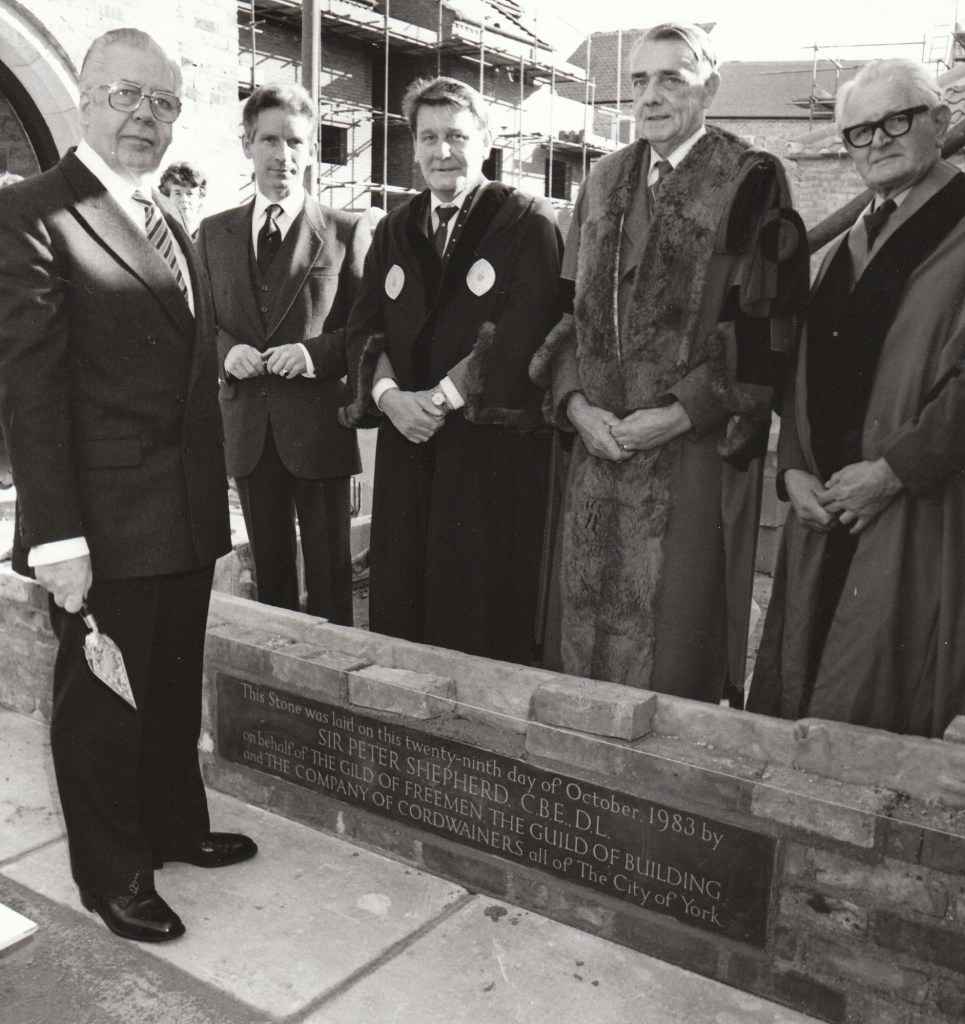
Grants were received and the remainder of the costs were raised by the efforts of the Gilds, generous donations from Companies and Gild Members, and construction began in October 1983 when a commemorative stone was place by Sir Peter Shepherd CBE DL on behalf of the Gilds.
Master’s Charity
Up until 1997, a donation would be given from the general funds of the Gild to a charity chosen by the Master of the Year. This tradition was a meaningful way for the Gild to give back to the community and support causes important to them and the City.
Since 1998, the Master and the Court, along with members of the Gild and friends, work tirelessly throughout the year, organising and participating in a diverse array of events and social gatherings dedicated to raising funds for various charitable causes.
Jubilee Trees
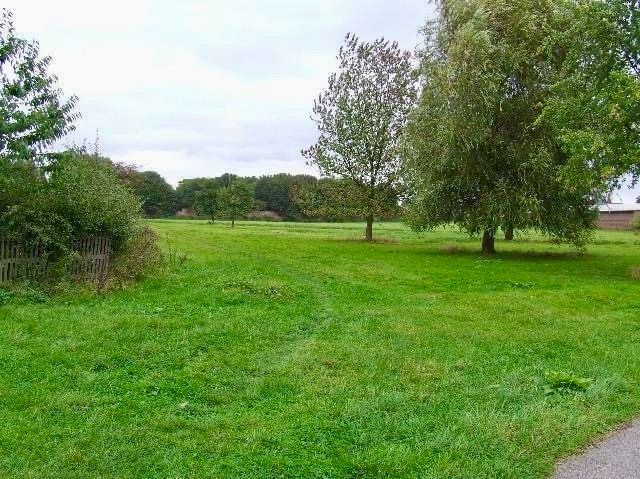
The four Strays, areas of open land that remain undeveloped, represent the last vestiges of common land still remaining around the city and have long been associated with the ancient ‘rights’ of Freemen.
To this end the Gild, in conjunction with the City of York Council, jointly funded a tree planting scheme on both Bootham and Monkgate Strays, to re-establish traditional trees on these ancient open spaces as part of the Gild’s 50th anniversary celebrations in 2003. Ten trees were planted on each stray including ash, larch, oak and Scots pine.
Today
Today there are estimated to be approximately between 6,000 and 7,000 Freemen of York of whom only a small proportion are resident within the city. In comparison when the Municipal Corporation Act was passed, in 1835, there were 2,400 in the city and 1,350 non-resident.
Four Gilds Reunited
In 2023, the Three Gilds of Bedern Hall welcomed a fourth, the Company of Butchers, to join them. This marked a reunion of the four Gilds who initally setup the Steering Group which went on to recommend Bedern Hall as their new home.
At the same time, Bedern Hall had its legal status transition from being a Limited Company to become a Community Interest Company, with an aim to protect it in perpetuity for future generations and highlight its position as one of York’s most significant heritage assets.
How to become a Freemen
Learn more if you’re eligible to become a Freemen of York.
Join the Gild
Continue to support this age old tradition and protect the heritage of York.

Events and Meetings
Stay up to date on all events and meetings organised by the Gild.
 Gild of Freemen of York