WHAT WAS A FREEMAN?
Imagine the town council, public works, trade unions and police all being administered by a collective of local citizens, and you start to build the picture of what the Freemen of York were.
Freemen have historically served as the collective voice of the citizens of York and have always demonstrated a strong commitment to safeguarding the city. Throughout the extensive history of Britain, Freemen have assumed a leading role, championing the interests of the populace and at times rebelling against the authority of the ruling classes.
Despite their custodianship and significant control over a substantial portion of the city’s governance, the process for attaining Freedom became notably more accessible, which did expose York’s political leadership to potential corruption.
At the height of their industrial and political influence locally, there were three distinct avenues through which individuals could attain the status of Freeman.

PATRIMONY
From the age of 21, all sons of Freemen were eligible to claim their Freedom through birth right. Today, applicants can be of any sex and can claim through an ancestor as far back as a great-great-grandparent on either their paternal or maternal side.

SERVITUDE
To have been an apprentice to a master craftsman, who themselves are a Freeman, originally for seven years but today this ranges from four to five years.

PAYMENT (until 1835)
Until the Municipal Act of 1835, Freedom could be purchased, meaning those with enough money could rise quickly in the politics and trade of York. However, this was one of the contributing factors to Freemen having their political control revoked.
The role and responsibilities of the Freemen have changed over the centuries and up until 1835, they enjoyed a special status which came with a collection of privileges.
Right to Pasture
Exclusive rights to graze cattle on the common lands, open areas known as Strays.

Right to Trade
Exclusive right to trade in the city, to exercise a craft, and to join a craft guild.

Right to Exempt
Exemption from tolls and fees. These have ranged from locally to internationally.

Right to Vote
Exclusive right to vote in local and national elections, and become a local MP.
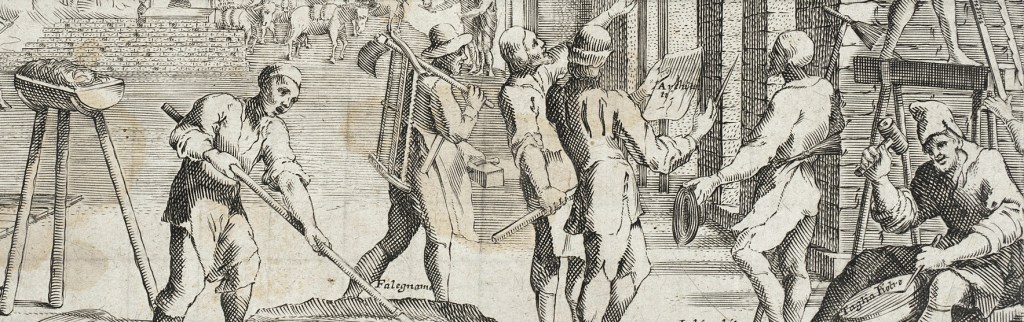
In return for these rights and privileges, Freemen were required to take on unpaid duties to serve their citizens and city. If they did not fulfil these duties then hefty fines could be imposed on them individually.

DEFEND
To protect the citizens of York from threats, whether they be physical or infringements on their rights.

REPAIR
To maintain the city walls, bridges, streets, rivers, and public buildings from damage, age or wear and tear.

ORDER
To maintain law and order in the city through judiciary processes, policing and disseminating new law.

REPRESENT
To represent York’s interests and concerns. They have also acted as rebellious leaders in protection of the people.

STANDARDS
To regulate and set standards for pay, craftsmanship, quality and trade rights through workers’ guilds.

CHARITY
Provide charitable aid, including helping the poor and infirm, benevolent funds, and heritage restoration.

Who are the Freemen?
Learn more about the history of Freemen and their importance to the City of York

History of the Gild
Discover more about the Gild’s 70 year history.

Events and Meetings
Stay up to date on all events and meetings organised by the Gild.
 Gild of Freemen of York